

A federal judge on May 11 rejected Florida’s effort to undo an order requiring better attorney access at Alligator Alcatraz, the controversial temporary immigrant detention camp in the Florida Everglades. U.S. District Judge Sheri Polster Chappell said the state had already had its chance to argue the issue and was too late to raise new objections.
The four-page ruling keeps in place requirements for timely, confidential, unmonitored and unrecorded access to lawyers at the facility, officially called the South Florida Detention Facility. It also requires one telephone per 25 detainees, a standard that attorneys said would require the purchase of more cell phones and equipment, along with staffing costs to install them, totaling $180,025.
That number sits against a much larger price tag. Alligator Alcatraz was estimated to cost about $450 million for a single year, and the fight over phones and access has become one of the clearest tests of how the camp is being run. Florida argued that its public postings are government speech and that it should not have to put its counsel-access protocols online. Chappell rejected that position and wrote that state defendants had ample opportunity to brief their legal arguments and present evidence before the court ruled, but did not do so. She added that their tendency to wait until the last minute to raise arguments was inefficient and unavailing.
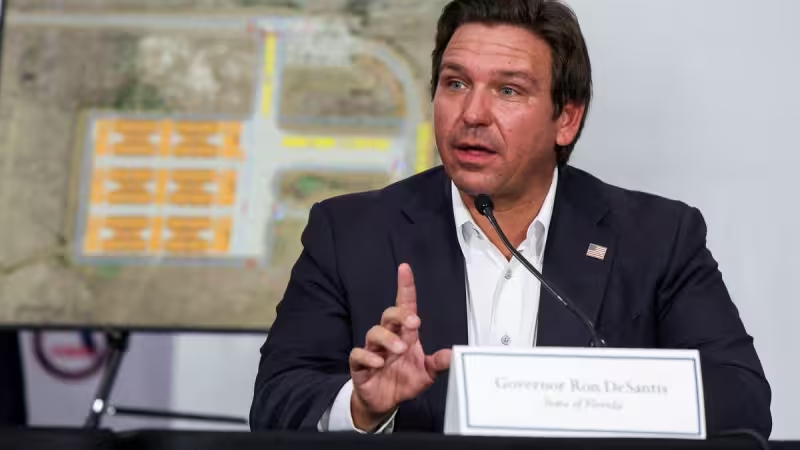
The dispute comes after reports that phones at the facility were turned off in early April and that detainees who complained were beaten. It also lands as federal and state officials were preliminarily discussing whether the camp could be shut down. Gov. Ron DeSantis said on May 7 that the facility was always designed to be temporary, while also saying there were no definitive plans yet to close it and that he expected the U.S. Department of Homeland Security to have a plan for relocating detainees if it did. Asked about the site’s future, he said, “It served a good purpose. We're totally willing to continue that happening in the future,”
The lawsuit was first filed in August in the Middle District of Florida by detainees and groups including Sanctuary of the South, and it is one of several cases aimed at forcing the facility closed. Chappell’s order does not end that broader fight, but it does make clear that, for now, Florida must keep attorney access open while the case continues.