


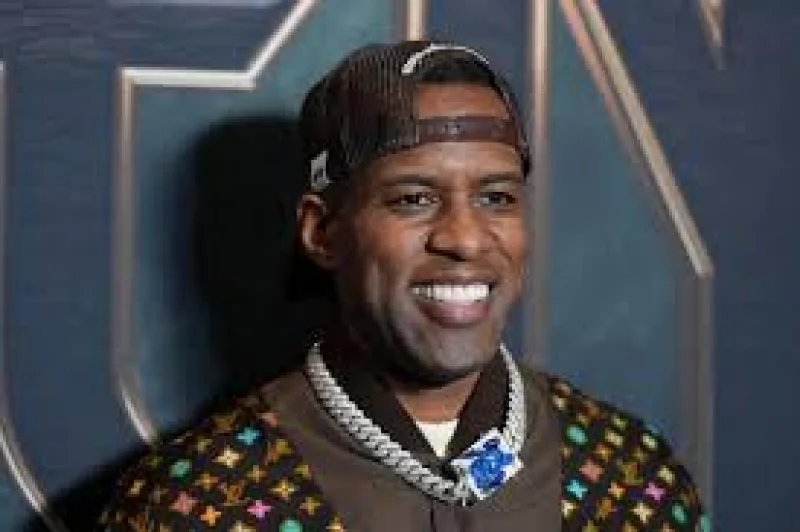
Drake is turning Toronto into part of the pitch for his ninth album, Iceman. Last month, he iced out his favorite court-side seats at the Toronto Raptors’ arena with faux icicles dangling from the chairs, then put a huge block of ice downtown for the public to chip at until it thawed and revealed the album date.
By early May, he had taken the campaign online too, debuting a quirky episodic series on YouTube with skits set in an ice manufacturing plant and a segment that shows him driving an Iceman-branded truck around Toronto. The moves make the rollout feel less like a standard album announcement than a piece of performance art, built around a name that is now impossible to miss across the city.
The promotion matters because Drake is not just any rapper staging a comeback. He is still the highest streamed rapper artist in the world, and Iceman is being framed as his ninth album and his first major rollout after a feud with Kendrick Lamar that changed the temperature around his music. Two years ago, the two traded blows in a battle that reached a boiling point in 2024, when Lamar issued Like That and later won a Grammy for Not Like Us, a song that called Drake a hip-hop colonizer who chases after young women.
The feud did more than settle a scoreboard. Consensus says Drake lost the beef, and fans who once loved him for his hooks and sensual R&B sensibilities jumped to Lamar’s side. His music began to feel lonelier and more bitter, a sharp turn for an artist who had previously charmed audiences with his light-heartedness. In 2021, he leaned all the way into that old playfulness, dressing as a B-movie action star and a Harlequin romance hero in the Way 2 Sexy video.
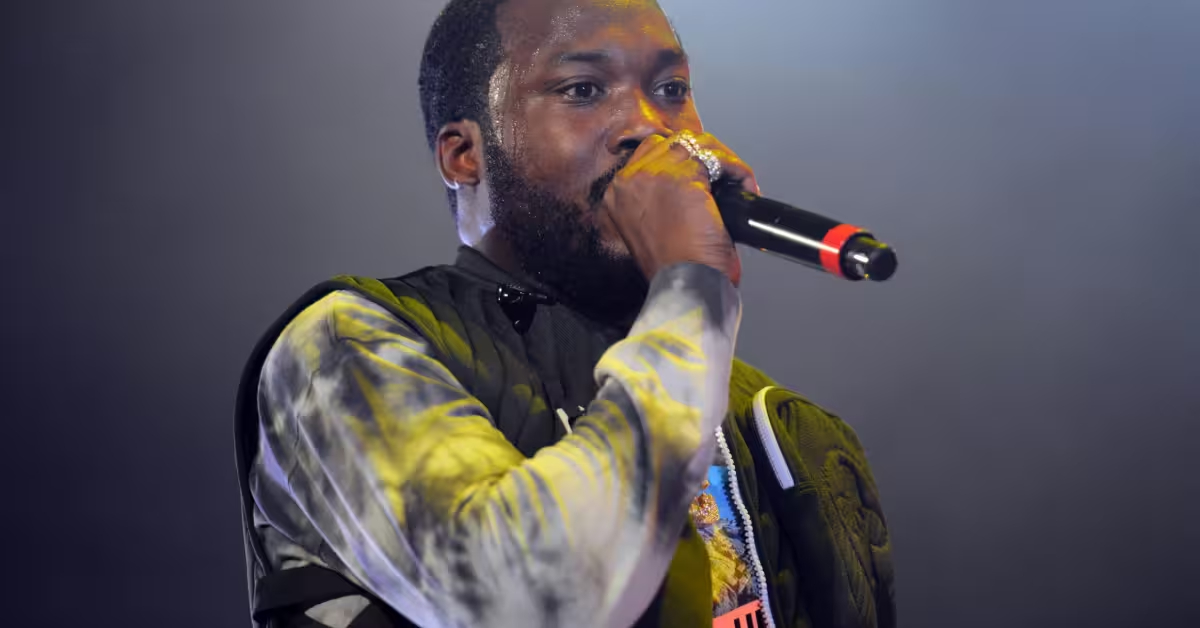
That shift also lands in the middle of a longer argument about who Drake was allowed to be when he first broke through. Women were some of his earliest supporters around the release of his 2009 mixtape So Far Gone, and music critic Clover Hope said he “came out the gate appealing to women” and leaned into the “sing-songy mixtape Drake” that made him famous. Hope said he made it clear that rap was for women, compared his approach with LL Cool J’s reach to female listeners, and said, “For me and my friend group, he was magnetic.”
There was resistance from the start. Some self-appointed gatekeepers said Drake was not hip-hop enough when he debuted, and others argued he was not technically sharp enough to deserve the fame that followed. The backlash, in other words, was already gathering before Lamar fired the first warning shot in Like That. The source’s reading is that Drake may even have internalized some of the harsher critiques from hypermasculine rap fans about the lack of agitation in his music and persona.
That makes Iceman more than a title. It is Drake trying to retake the frame after years in which the conversation around him drifted from charm to fatigue, then to open hostility. The rollout is loud because the stakes are loud: he has to persuade listeners that the man who once sold seduction and softness can still make that image feel powerful, not diminished.
And if the campaign is meant to answer whether Drake can still command the culture, it already has. He is turning ice into a billboard, Toronto into a set, and a feud that once made him look cornered into a full-scale return. The next question is not whether he is visible. It is whether the album can do what the stunts are trying to do for him: make the comeback stick.