


The Green Party’s rise has run straight into a backlash over antisemitism, Gaza and who now speaks for a party that has gone from the margins to the center of a political fight. The row sharpened after the party’s first parliamentary by-election victory at Gorton and Denton, where it took 40.6 percent of the vote.
The by-election result mattered because Gorton and Denton is about 30 percent Muslim, and the Greens’ support for Palestinians has helped drive their recent surge. The party was polling at about 17 percent today, far above the level it held for most of the last decade, when it had just one member of parliament between 2010 and 2024.
That surge now comes with consequences. Membership has climbed from 65,000 in July 2025 to about 220,000 today, and Zack Polanski, elected leader in October 2025, has described Israeli actions in Gaza as a genocide. Those positions have given the party visibility and momentum, but they have also widened the gap between its fastest-growing support and the scrutiny it now faces over antisemitism.
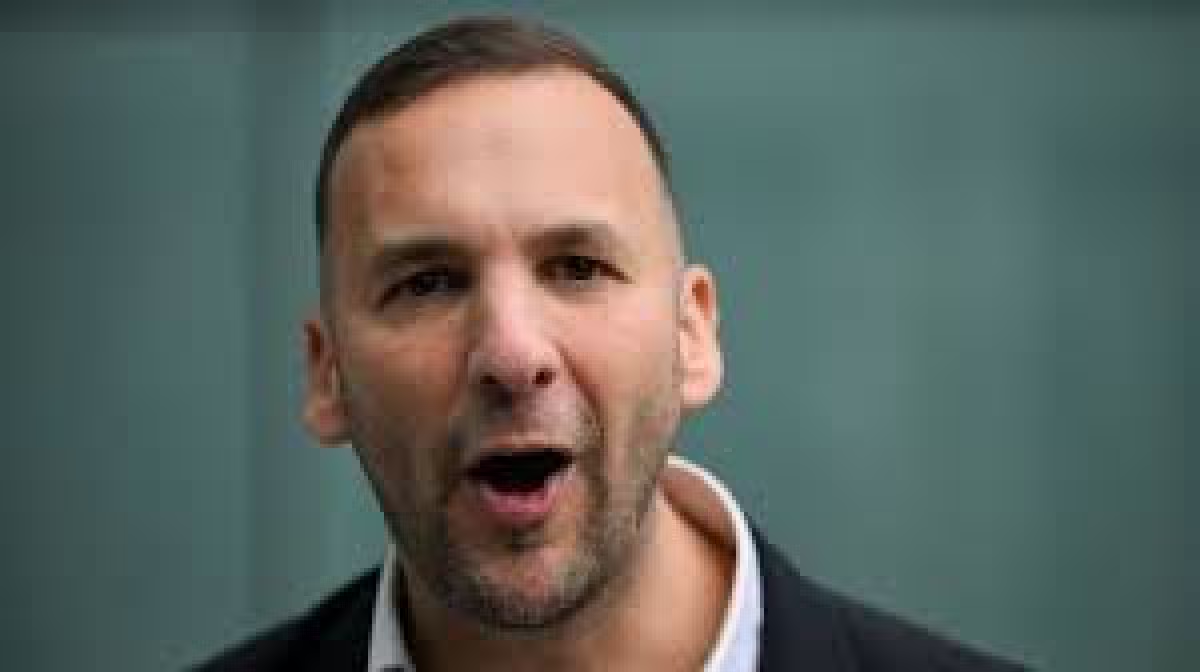
The tension was on display at the party’s Spring conference, where members tried to pass a motion declaring Zionism is racism. It failed only because Jewish Greens filibustered it. That episode matters because it showed that the argument is not only about Israel and Gaza; it is also about whether the party can hold together while speaking to both pro-Palestinian voters and Jewish members alarmed by the language being used around them.
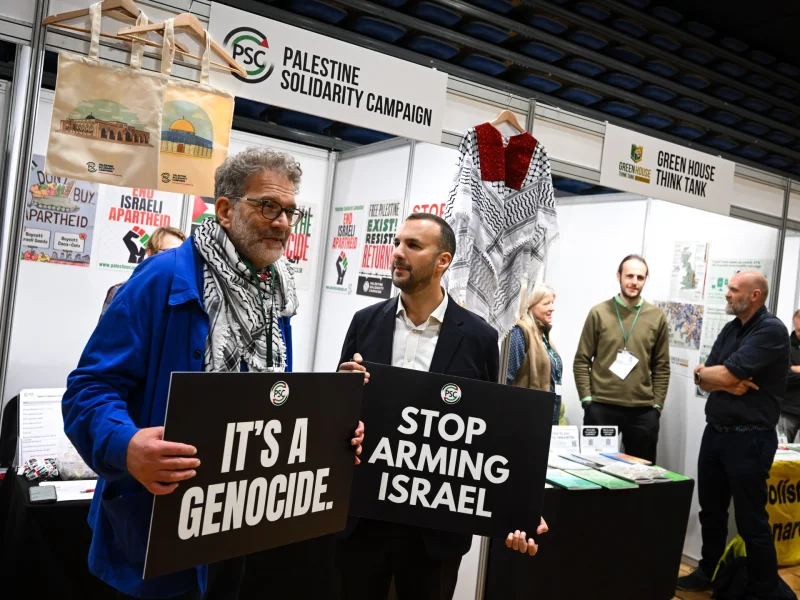
The internal strain intensified further when Tony Greenstein joined the party on March 1. On March 28, the Jewish Chronicle published an article about him that said his involvement with the Greens has fuelled fears that the party is becoming a magnet for those expelled from Labour during the height of its anti-Semitism crisis. The comparison is not accidental. As the Green Party has grown, critics have begun drawing parallels with the period that helped drive Jeremy Corbyn and his supporters out of Labour.
What changed first was power. The Greens won four seats in parliament in the July 2024 election after years with little national leverage. What changed next was scale. A party that once struggled for relevance is now polling at about 17 percent and has more than tripled its membership in less than a year. That is the backdrop to the dispute now moving through the party: a faster rise, louder language and a larger public audience for every internal fight.
That is why the accusations have intensified at Gorton and Denton. The by-election victory gave the Greens a fresh mandate, but it also put a spotlight on the movement’s edges, not just its mainstream. The party can point to its electoral breakthrough and expanding base. It cannot avoid the fact that the same growth has pulled it into an argument over whether its politics on Israel, Palestine and antisemitism are opening the door to the very controversy it once said belonged to someone else’s party.