


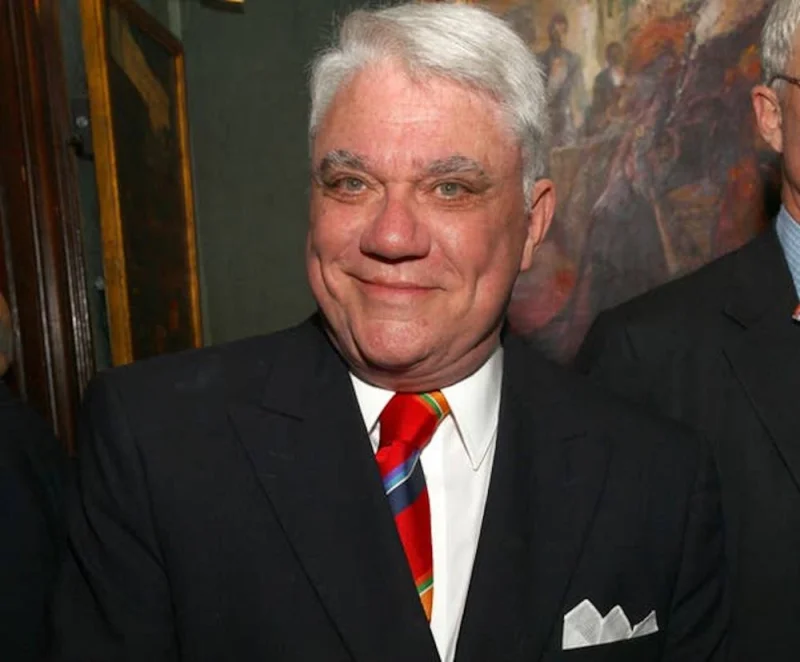
Rex Taylor Reed, the film critic whose bite, certainty and polished prose made him one of the most recognizable voices in American cultural journalism for six decades, died in his sleep on May 12, 2026, in New York City. He was 87.
William Kapfer confirmed Reed’s death. For readers who followed him for years, the loss lands as the end of an era that once seemed impossible to finish: the critic who could praise a movie with the same force he used to dismiss one, and who never softened the edge that made his writing unmistakable.
Reed had been in NewYork-Presbyterian Hospital for several weeks by Jan. 12, 2026, when the author of this remembrance visited him. A few weeks later, after he had returned to the hospital because of blood transfusions, liver complications and problems that began after he fell at a gas station and hurt his foot, he put his condition in plain terms over the phone: “I’ll either get better or I’ll die, and I’ll let you know which one.”
That bluntness was pure Rex Reed. He was known for his sharp wit, uncompromising taste and distinctive prose, and he carried those qualities through a career that made him a fixture in American film and cultural criticism. He was born in 1938, and for more than a decade the author had met him over lunch in New York, usually at Michael’s in Midtown or Sardi’s in Times Square whenever work brought the author to the city.
The ritual never changed much. Reed ordered a Cobb salad with no blue cheese and iced tea every time. If the restaurant had hot fudge, he would finish with ice cream. He seldom asked about the author’s life, but he remembered everything that had been told to him. That was part of the spell he cast: brusque on the surface, exacting in memory, and impossible to mistake for anyone else.
Reed’s death closes a chapter in American criticism that prized personality as much as judgment. He was not a writer who faded quietly into the background of the culture he covered. He was the presence in the room, the line readers remembered, the opinion that could not be confused with anyone else’s. Now the voice is gone, and what remains is the long record of a critic who spent six decades making sure people knew exactly where he stood.