


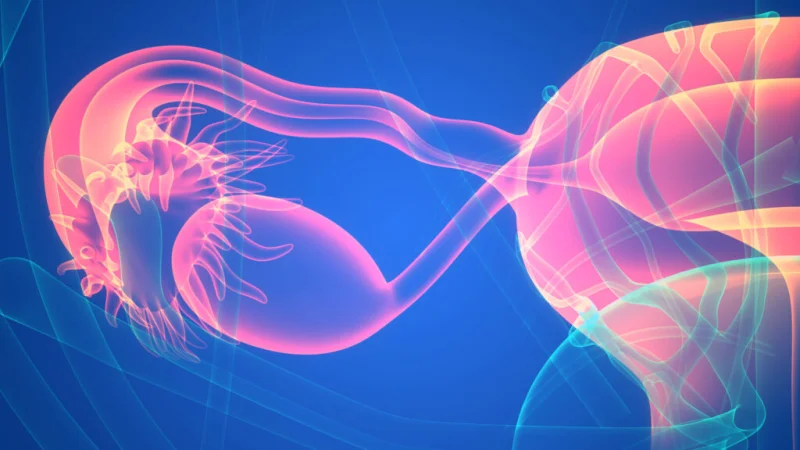
Polycystic ovary syndrome has a new name. The condition, long known as PCOS, will now be called polyendocrine metabolic ovarian syndrome, or PMOS, after a years-long push by clinicians, researchers and patient advocates to replace a label they say has been misleading people for decades.
The revised name was introduced on Tuesday in a paper published in The Lancet and presented at the European Congress of Endocrinology in Prague. It was the nearly unanimous choice of a panel that voted after more than a decade of discussion, with 87 of 90 voters supporting PMOS immediately and another voter later coming around, according to the source material that outlined the process.
The change matters because the old name has been criticized for implying that cysts on the ovaries are the defining feature of the condition, when that is not always the case. Rachel Morman said patients could be dismissed if they did not present with cysts, a problem that helped drive the push for a new term. PCOS is believed to affect up to 13% of reproductive-age women, and the World Health Organization estimates that 70% of people with the condition are undiagnosed.

The road to Tuesday’s announcement began in October 2015, when experts met in Sicily and could not agree on what a replacement should be. Morman recalled the room as highly charged, saying there were lots of opinions and that people were talking over each other. At the end of that meeting, she said, everyone agreed the old name was bad, but no one could settle on a new one.
That disagreement led to a sequence of surveys in 2017, 2023 and again in 2025, when nearly 15,000 stakeholders were asked for input. In all, about 22,000 people around the world shared their views on a new name. Earlier this year, PMOS emerged as the winner over endocrine metabolic ovulatory syndrome and ovulatory metabolic endocrine syndrome, two other candidates that drew support but fell short.
The new label is meant to better reflect a common metabolic condition in women and to address concerns that the old terminology has contributed to stigma and underdiagnosis. Still, not everyone is fully satisfied. Some dissatisfaction remains because the word “ovarian” in the new name does not leave room for the possibility of a male form suggested by some early research. Even so, Tuesday’s decision closes a long-running debate with a clear outcome: the medical community has chosen PMOS, and the old name is on its way out.