


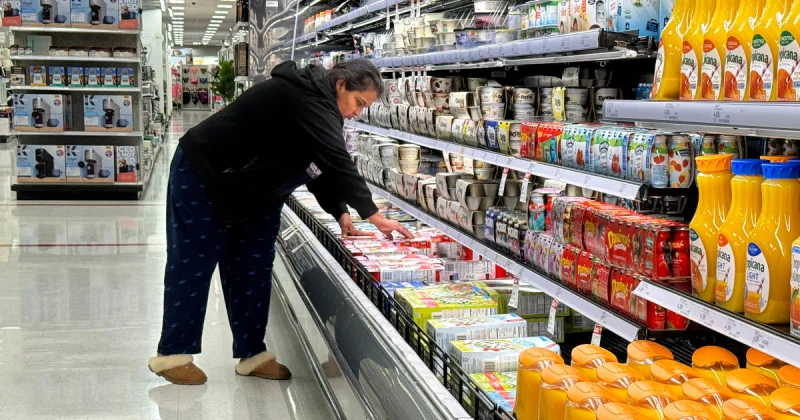
The April Consumer Price Index was scheduled for release today, and economists are looking for inflation to have risen 3.8% from a year earlier, or 0.6 percentage points above the previous month. If that forecast holds, it would be the clearest sign yet that price pressures are still outpacing pay gains, with inflation set to move ahead of wage growth for the first time since 2023.
Core inflation, which strips out food and energy, is expected to rise 0.3%. The report comes after a 0.9% jump from February to March, the largest month-to-month increase since 2022, and it lands as traders, consumers and policymakers watch whether the surge in gas prices is finally feeding through to other goods.
Several analysts said that has not happened yet. One Citigroup economist said it will take at least a few more months for higher energy costs to show up in core goods prices, even as fuel costs have climbed in recent months. That delay matters because the war in Iran has already pushed energy higher for U.S. consumers, but the full effect has not yet reached the monthly inflation figures.

Trump added another layer of pressure yesterday, saying the ceasefire with Iran was “unbelievably weak” after the two sides exchanged fire last weekend. He called Tehran’s peace proposal “garbage,” and said Iranian leaders had agreed to hand over enriched uranium before backing away because they did not put it in the paper document. Tehran dismissed Washington’s offer as “one-sided” and accused Trump of making “unreasonable” and “excessive demands.”
The economic stakes are immediate. Trump said he would support suspending the federal gas tax, but an NBC News analysis found that gasoline would still be more expensive than it was at the start of the Iran war even if the levy were removed. That leaves the April inflation report as a test of how much of the shock has already reached households, and how much is still waiting in the pipeline.
For now, the number will do more than fill a slot on the economic calendar. It will show whether the latest jump in prices is a temporary burst or the beginning of another stretch in which consumers pay more and get little relief back.