


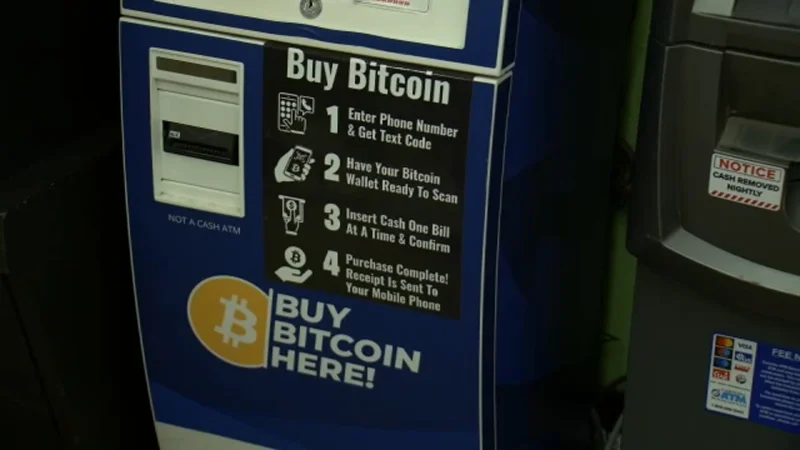
Spokane Valley on Tuesday unanimously banned virtual currency kiosks, moving to shut down Bitcoin Machine-style machines that police say have been feeding a surge of fraud in the city. Businesses that still have the kiosks now have 30 days to remove them or face penalties.
Police Chief Dave Ellis said the kiosks have been used in scams that have left residents with major financial losses, and in one case, a suicide. He said officers have even stopped elderly people from putting their life savings into the machines after fraudsters pushed them to send cash through them.
The city’s action follows a similar unanimous vote by Spokane last year. Under the new ordinance, businesses that keep the kiosks after the removal deadline can face a $250 penalty, and Spokane Valley can revoke a business license if the machine stays in place.
Ellis said there are roughly 15 kiosks in Spokane Valley, though Coinflip showed six inside city limits. Several businesses had already taken them out before Tuesday’s vote, including a Circle K at Pines Road and Valleyway Avenue. A Bitcoin ATM was still in place at Broadway Mini Mart after the council acted.
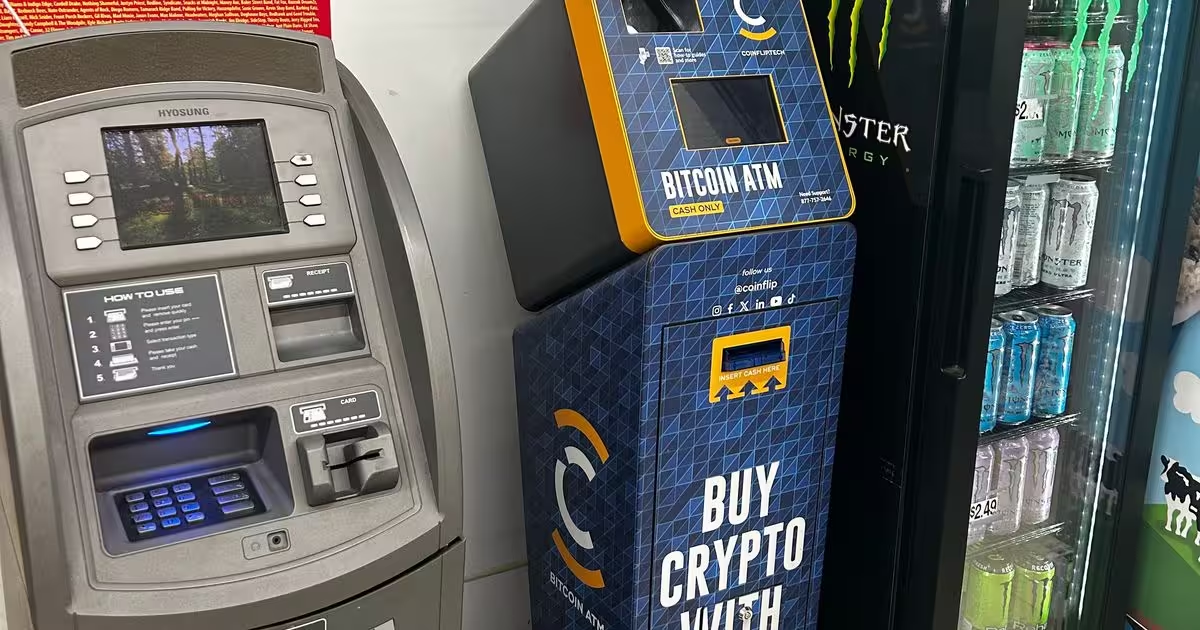
The crackdown comes as federal authorities have reported just how expensive these scams have become. The Federal Bureau of Investigation said virtual currency kiosk-aided scams caused nearly $5.6 billion in losses across the U.S. in 2023, with Washington accounting for $141.7 million of that total.
The schemes are usually carried out over the phone or by text message. Victims are told they have an arrest warrant for missing jury duty and are ordered to pay $10,000, often by feeding cash into a kiosk. Financial crimes detective Elijah Jones said once the money is sent, it is gone for good.
“We can’t go to the ATM and get it back,” Jones said, adding that the point of the ordinance is to slow scammers down long enough for victims to realize what is happening before they lose money. He said kiosks typically charge a 17.5% or 50% transaction fee, a cost that adds to the damage.
Spokane Valley’s vote does not end the fraud threat, but it does remove one of the easiest cash-out tools scammers have used. The next test is whether the 30-day deadline and threat of license revocation are enough to get every kiosk out before another resident is persuaded to use one.