


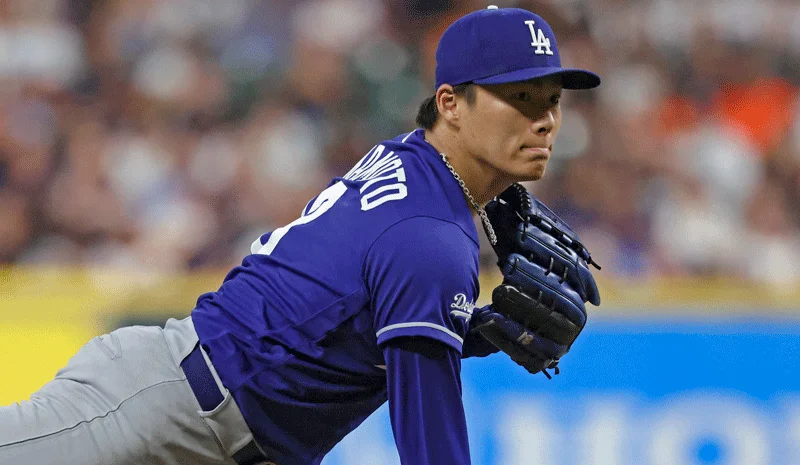
The Los Angeles Dodgers hosted the San Francisco Giants on Tuesday, May 12, with Adrian Houser taking the ball for San Francisco in a matchup that looked tilted toward Los Angeles from the start. The Giants sent out a starter carrying a 6.19 ERA and an 11.4% strikeout rate, while the Dodgers came in with Yoshinobu Yamamoto piling up six-inning outings and limiting damage every time out.
Houser’s surface numbers told one part of the story. He allowed a.295 expected batting average and ranked in the 15th percentile in average exit velocity, signs that opposing hitters had been making steady contact. That made the assignment even tougher against a Dodgers lineup that had won 13 of its last 17 home games against San Francisco and was trying to stop a three-game losing streak.
The matchup also leaned on trends that had already shown up between these clubs. Four of the last five Giants-Dodgers games had gone under the total, a reflection of how often the series has turned on pitching and run prevention rather than long offensive bursts. Los Angeles was also managing a quiet stretch at the plate, with a 91 wRC+ over the last 15 days and an average of 2.5 runs in its last four games.
That still left the Giants facing the sharper concern: whether their offense could do enough against right-handed pitching to keep pace. San Francisco carried an 87 wRC+ and a.293 wOBA against right-handers, numbers that fit the broader picture of a lineup that had struggled to create consistent pressure in those spots. Against Yamamoto, that challenge only grew. He had thrown at least six innings in six of his first seven starts, allowed no more than three earned runs in any of them, and in his career against the Giants had held them to a.532 OPS while striking out their hitters 34 times in 105 career at-bats.
That is what made this game feel like more than a single regular-season meeting. The Dodgers were trying to end a skid, the Giants were leaning on a starter with uneven results, and the numbers pointed in the same direction: if San Francisco was going to win in Los Angeles, it likely had to solve a pitcher who had already handled this opponent and a home team that usually plays the Giants well in its own park.