

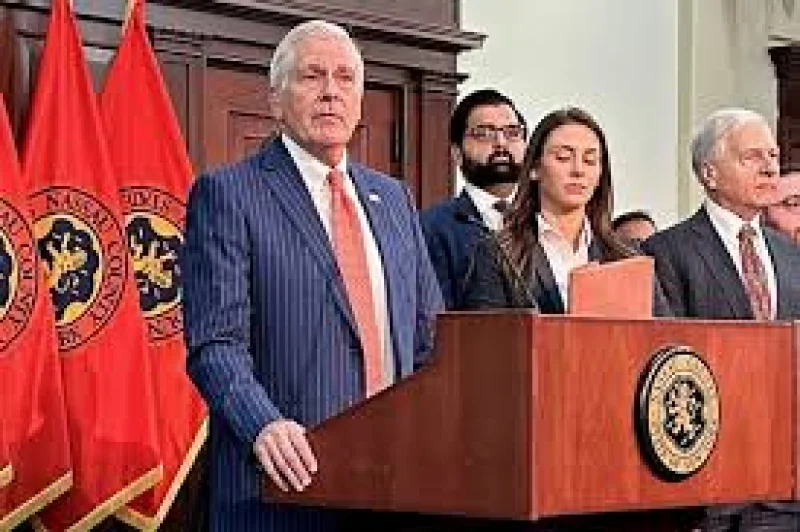
Steve Roth, the chief executive of Vornado Realty Trust, escalated New York’s fight over taxing the wealthy on a recent earnings call when he said the phrase “tax the rich” was “just as hateful as some disgusting racial slurs.” His comments landed as criticism of billionaire wealth, and the power attached to it, has become a defining feature of the city’s political debate.
Roth called the rhetoric “irresponsible,” a sharp turn from the language used by politicians who have made levies on the ultra-wealthy central to their message. Zohran Mamdani, New York’s first Muslim mayor, recently announced a tax on second homes worth more than $5 million in front of Ken Griffin’s penthouse, a property bought for $238 million in 2019 in what was then the highest price ever paid for residential U.S. property.
The clash matters now because the backdrop is getting harder to ignore. An Oxfam report said billionaire wealth jumped by more than 16% in 2025 and has increased by 81% since 2020, even as it said one in four people do not regularly have enough to eat. Oxfam also said billionaires own more than half the world’s largest media companies and all the main social media companies, underscoring how wealth and influence are increasingly intertwined.
Roth’s remarks also sit inside a broader cultural pushback against billionaires that is not confined to New York politics. Vickie Paladino called Mamdani a “known jihadist terrorist,” while columnist Kyle Smith published a piece titled Billionaires Rock, arguing that billionaires are “denounced, despised and disrespected.” Smith wrote that the greatest billionaires ought to have statues placed in public squares, a stance that lays bare how polarizing the question of wealth has become.
The tension is that both sides are talking past each other, and each is drawing from a real frustration. For Roth, the anger around taxes has become, in his telling, a form of demagoguery. For Mamdani and his allies, the issue is whether the ultra-rich are paying lower effective rates than teachers while holding assets that can define a city block, a skyline and, increasingly, the public conversation itself.