


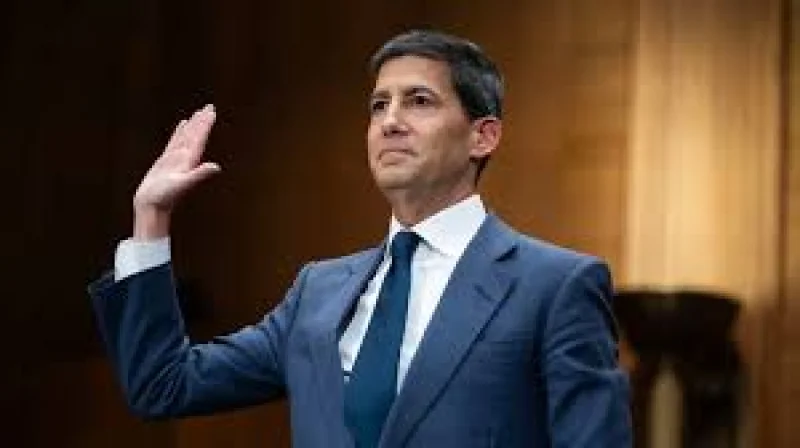
Kevin Warsh has emerged again as a possible choice for a top Federal Reserve job as Donald Trump weighs his options for future central bank appointments. The former Fed governor, once passed over for the central bank’s top post, is back on a list that could shape U.S. interest-rate policy and the fight over the Fed’s independence.
Warsh’s name matters today because the next round of Fed appointments could alter the direction of policy at a moment when borrowing costs remain a political flashpoint. Trump has long criticized the central bank, and any selection would be watched closely by investors, economists and lawmakers for clues about how aggressively the White House wants to push the Fed.
Warsh, 55, served as a governor of the Federal Reserve from 2006 to 2011 and was considered for the chairmanship in 2017 before Trump chose Jerome Powell. That history gives him a built-in profile inside the debate over who should steer the world’s most influential central bank. A move back toward Warsh would signal continuity with the administration’s preference for a more skeptical view of the Fed’s approach to rates and inflation.
The context is straightforward: the Fed sets policy that affects mortgages, car loans, credit cards and the broader economy, and every White House looks for some influence over that process. But the tension in Warsh’s return is that the Fed is meant to operate independently, even as presidents often seek nominees who share their instincts. That friction is why his name has resurfaced before and why it is being taken seriously again now.
What happens next depends on how Trump decides to fill coming openings and whether Warsh remains on the short list when the choice gets serious. If he does, the pick would not just be a personnel decision. It would be a statement about how far Trump wants to go in reshaping the Fed’s tone, and how willing he is to test the boundary between political control and central bank independence.