

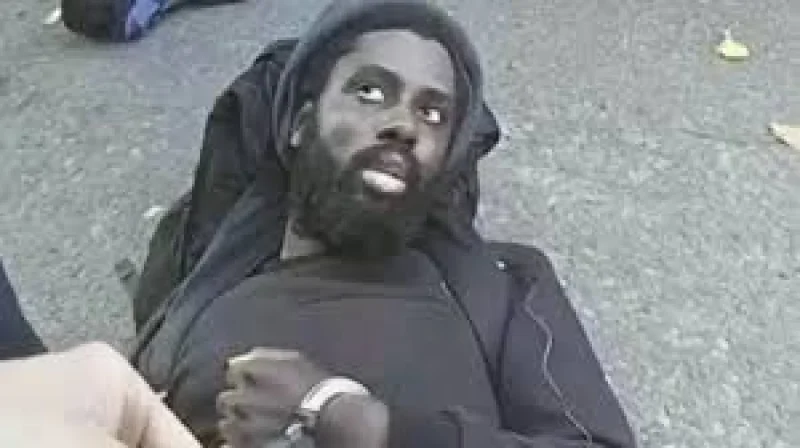
The brother of Valdo Calocane told a public inquiry on Wednesday that he believed his sibling was going to take his own life and felt powerless to stop it. Elias Calocane said the strain of watching his brother deteriorate left him trying to brace for a loss that had already started to feel inevitable.
Elias said, “I just didn't know what to do about it. I felt powerless.” He said that looking back, part of his response was a defence mechanism, and that he had been trying to deal with a loss ahead of time. He added that every call from his mother during that period made him fear the worst.
The evidence came as the inquiry examines the deaths of Barnaby Webber, Grace O'Malley-Kumar and Ian Coates on 13 June 2023. Before Elias took the stand, Dr Karthik Thangavelu, who was Valdo Calocane's consultant during his final admission to Highbury Hospital, gave evidence first on Wednesday. The hearing has already heard that Calocane was diagnosed with paranoid schizophrenia in 2020 and that the case turned in part on what his family and doctors noticed, and what they did not.
Elias said he had seen his brother only once during 2022, when he was travelling to a concert in Birmingham with his sister and Calocane insisted he needed to go there too. He said he and his family tried to reason with him before that trip. In his evidence, he said Calocane was “just sort of acting on his paranoia,” and described later watching police bodyworn camera footage as shocking.
That family account sits alongside a clinical record that is already under scrutiny. Thangavelu told the inquiry he did not ask Calocane about hallucinations during the final admission, and the hearing was told that on the day of discharge Calocane had spoken about a “computer brain interface” being used on him. The inquiry also heard that Elias had documented interactions with his brother, material that now forms part of the effort to reconstruct how his mental state was understood at the time.
Elias said that with hindsight he now understood more about psychosis, and that it can present as calmness rather than obvious distress. He said, “It shows that psychosis can look like calmness. It doesn't necessarily look a specific way.” For the family, the question has become less about what Calocane was saying in public and more about whether the danger in those conversations was recognised soon enough to matter.